
Custom Watch Box Inserts for Private Label Packaging and Retail Display
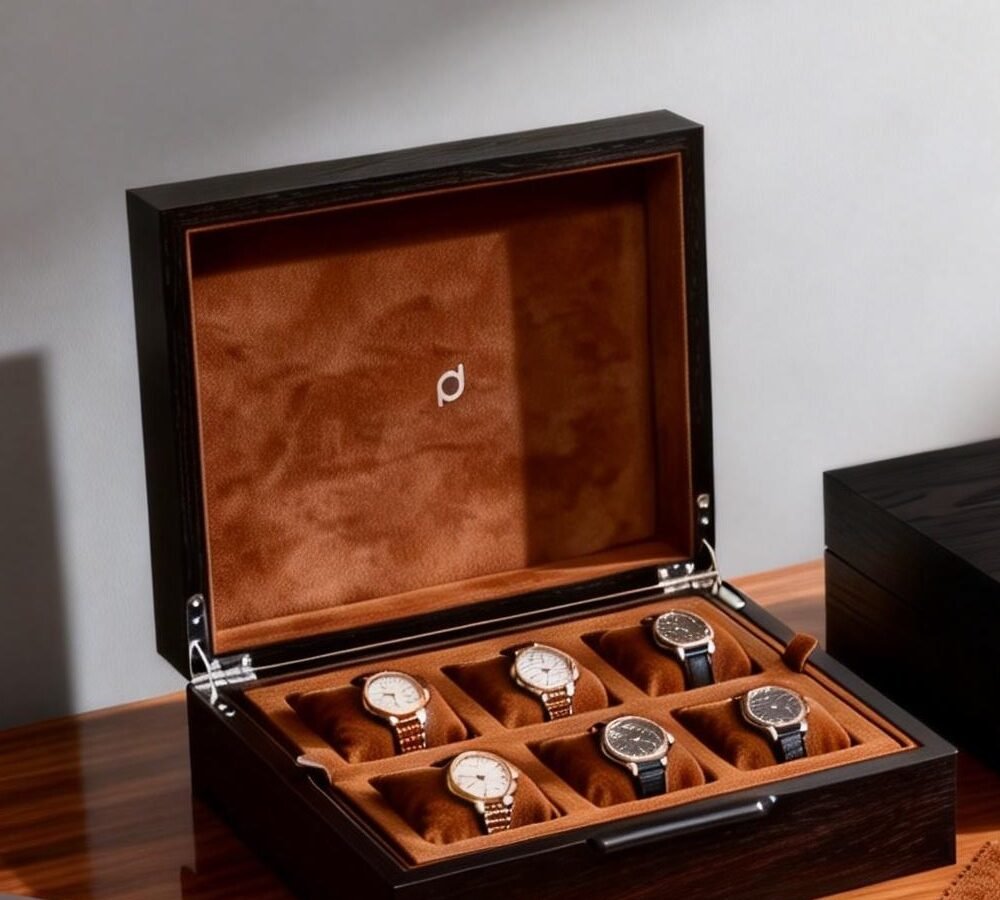
Why Inserts Decide How a Watch Box Feels
For B2B buyers, the outside of a watch box often gets the first discussion: finish, color, logo, and packaging. But the insert is what the customer touches every time the box is opened. It decides whether watches sit neatly and whether the product feels organized rather than decorative only.
Custom watch box inserts are especially important for private-label programs. A brand may sell the box as a standalone accessory, pair it with a watch, or use it as part of a wider storage collection. In each case, the insert has to support the product’s price position and the customer’s real use case.
The right insert plan helps buyers reduce sample revisions and create a more consistent retail experience.
Start With Capacity and Watch Type
The first insert decision is capacity. A box for a few everyday watches needs a different layout from a collector box or a retail gift program.
Capacity affects the full structure:
– Width and depth of each compartment – Cushion size and firmness – Space between watch cases – Lid clearance when the box is closed – Overall box weight and shipping volume – How the product will photograph for retail pages
Private-label buyers should also consider the type of watches their customers own. Leather straps, metal bracelets, smaller dress watches, and larger automatic watches can sit differently on the same cushion.
For a category page or retail collection, Claude can link this article to [watch boxes](https://olymbroswatchwinders.com/product-category/watch-boxes/) so readers can move from planning guidance to product review.
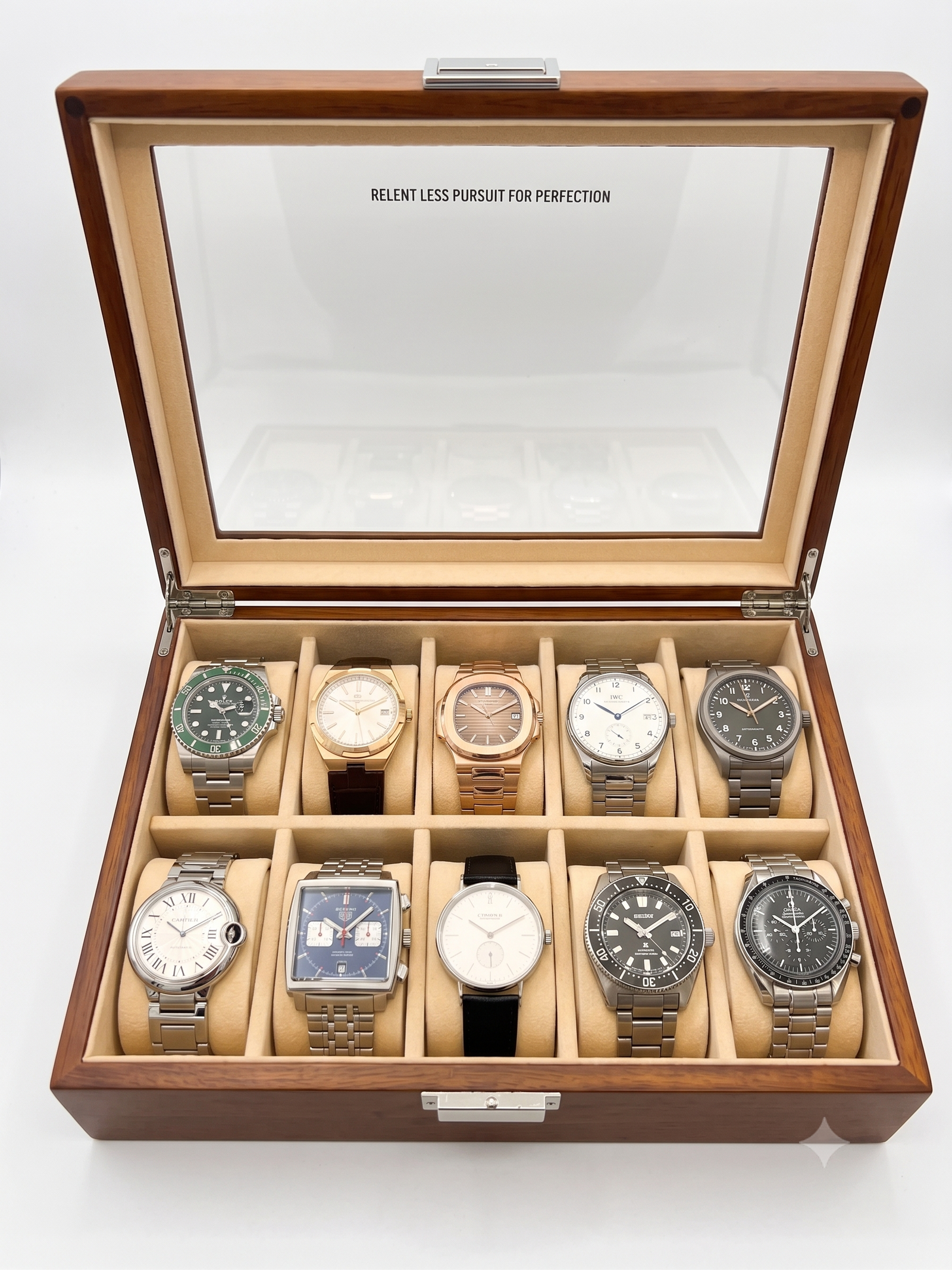
Cushion Design Affects Daily Use
The cushion is a small part of the product, but it has a large effect on usability. If it is too soft, the watch may not sit securely. If it is too firm, the customer may struggle to place bracelets or straps around it.
For B2B sourcing, the cushion should be reviewed with real watches during sampling. Buyers should test several watch styles, not only one display sample. A useful insert needs to support both visual order and practical access.
Key points to check include:
– Whether the cushion can be removed easily – Whether it returns to shape after use – Whether bracelets and straps fit naturally – Whether watches touch each other inside the box – Whether customers can lift the watch without scraping nearby surfaces
These details may not be visible in a quotation sheet, but they affect daily use and repeat orders.
Select Lining Materials for Protection and Positioning
The lining material gives the insert its touch quality. Olymbros material options can include velvet, suede, and microfiber for interiors. Each material direction creates a different customer impression and should match the exterior design.
Velvet can give a soft presentation for display and gift packaging. Suede can create a warmer feel. Microfiber can be useful when buyers want a clean interior surface. The exact choice should depend on the sales channel, retail price, and target customer.
Color also matters. A dark lining can create contrast for lighter watch cases. A lighter lining can make the inside feel open, but it may show dust or handling marks more quickly. Buyers should review lining color under real photo conditions.
This is one reason the sample stage should include both physical testing and photography review.
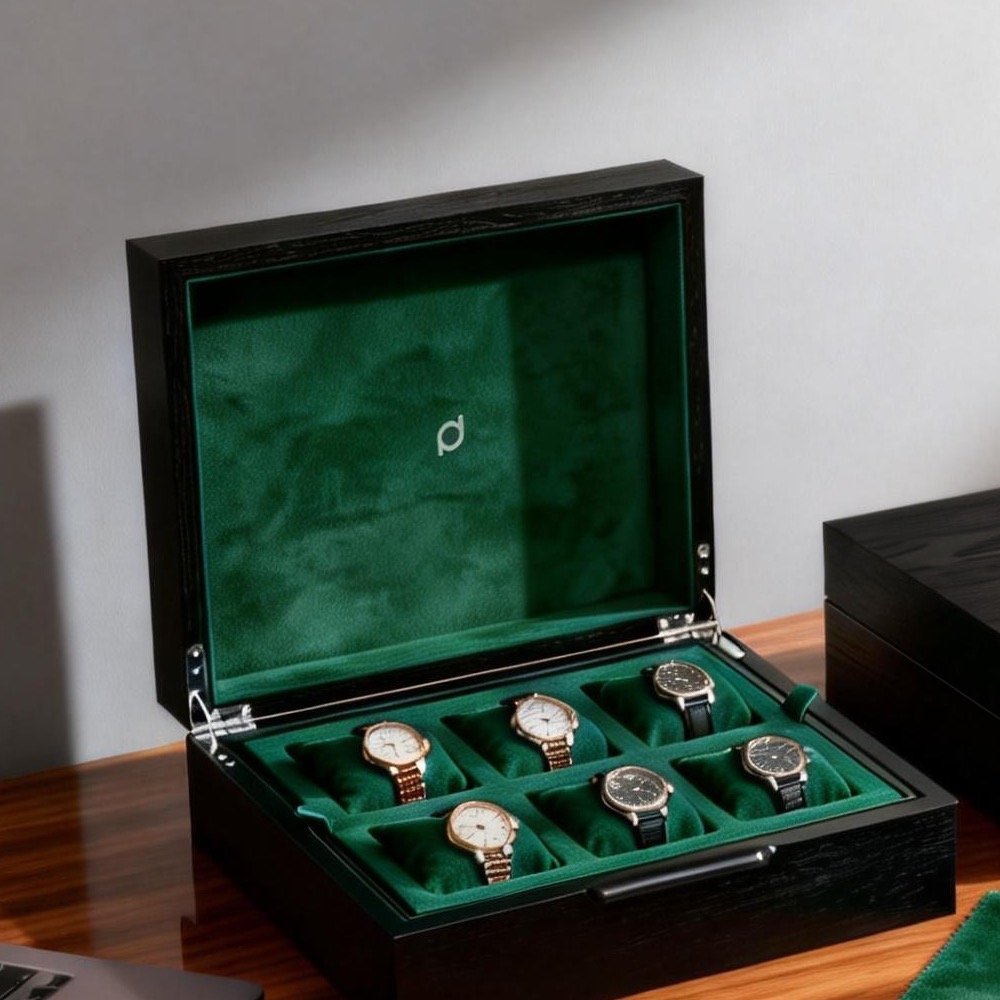
Match Inserts With Exterior Materials
A watch box insert should not feel disconnected from the exterior. Olymbros can work with material directions such as piano lacquer, matte wood veneer, aluminum, carbon fiber texture, genuine leather, and PU leather.
For example, a piano lacquer exterior may need a clean interior layout. A leather exterior may work well with a softer lining and warmer tone. A carbon fiber texture may fit a more technical visual direction.
The insert is also part of brand consistency. If the buyer sells [watch winders](https://olymbroswatchwinders.com/product-category/watch-winders/) and boxes in the same line, the interior material, cushion shape, and logo treatment should feel related. This does not mean every product has to be identical. It means the customer should understand that the products belong to the same brand family.
Plan Logo Placement Without Overcrowding the Interior
Private-label buyers often focus on exterior logo placement first, but the inside of the watch box can also carry branding. The question is how much branding the product needs.
Subtle branding usually works better for watch storage. A clean logo inside the lid, a small mark on the exterior, or a controlled packaging detail can be enough. If the logo is too large, the box may feel less refined and harder to sell across different customer groups.
Buyers should review logo placement with the insert in place. A logo that looks balanced in a flat drawing may feel crowded once cushions, dividers, lining, and watches are added. The sample should be checked open and closed, with and without watches inside.
Olymbros supports OEM, ODM, and private-label projects, so logo planning should be part of the early specification rather than a final step. Claude can link this section to [OEM/ODM customization](https://olymbroswatchwinders.com/oem-odm-customization/) during publishing.
Use Sampling to Check Structure, Not Only Appearance
Olymbros supports a sample cycle of 7-14 days. For a custom watch box, buyers should use this stage to check more than color and surface finish.
A practical sample review can include:
– Compartment spacing – Cushion fit and removal – Lining quality and glue finish – Lid clearance with watches inside – Logo position and scale – Packaging fit and shipping protection – Photo performance for online listings
If the box is part of a long-term private-label program, sample review should also consider future reorders. A clear insert system can make later development easier.
Consider Retail Display and Online Photography
Watch boxes are often judged visually before they are handled. That makes display and photography important parts of the product plan.
For retail display, the insert should make the watches easy to see. The customer should understand capacity at a glance. For online sales, the insert should photograph clearly from the top and from a front angle.
Buyers should take test shots before approving production. The box should be photographed open, closed, and with watches placed inside if available.
Build Watch Boxes Into a Product Line
A custom watch box can stand alone, but it often works better as part of a wider storage collection. A buyer may combine boxes for home storage, winders for automatic watches, rolls for travel, and stands for display.
Olymbros was established in 2008 and has more than 18 years of manufacturing experience. Its integrated production covers woodwork, painting, motor assembly, and interior work, which is useful when buyers want related products to share a consistent finish and interior direction.
The company serves global B2B customers and can support private-label development across multiple categories. Shared materials, logo rules, and packaging standards can make the full collection easier to manage.
What to Prepare Before Requesting a Watch Box Quote
Before contacting a custom watch box manufacturer, buyers should prepare a short brief. It should include the product’s role, not only its size.
Useful details include:
– Target sales channel – Number of watch slots – Preferred exterior material – Preferred lining material – Cushion style and insert layout – Logo placement – Packaging direction – Sample expectations – Any matching products planned for the same collection
This brief helps the manufacturer respond with a focused recommendation and reduces avoidable revisions during sampling.
Conclusion
Custom watch box inserts shape the customer’s real experience with the product. They affect how watches sit, how the box photographs, how the brand appears, and how easily the product can be expanded into a wider private-label collection.
For B2B buyers, the practical approach is to plan capacity, cushion design, lining material, exterior finish, branding, sampling, and packaging together. If your team is developing a private-label watch box, which insert details should be confirmed before the first sample?