
Watch Winder and Watch Roll Retail Assortment: Bundle or Sell Separately?
Treat the Pair as an Assortment Decision
A watch winder and watch roll retail assortment can be presented in several ways: two independent products, a suggested pairing, or a fixed bundle. Those choices may look similar in a campaign photograph, but they create different requirements for stock, product pages, packaging, and customer expectations. A buyer should decide which offer is real before writing copy that implies the two products are sold together.
The products also answer different customer questions. A watch winder belongs in the conversation about displaying and maintaining an automatic watch at home. A watch roll or travel case belongs in the conversation about carrying and storing a watch away from that setting. One does not replace the other. For a retailer, their connection is an opportunity to organize an accessory range around use occasions rather than to declare every visually compatible item a set.
Separate the Customer Jobs Before You Pair Products
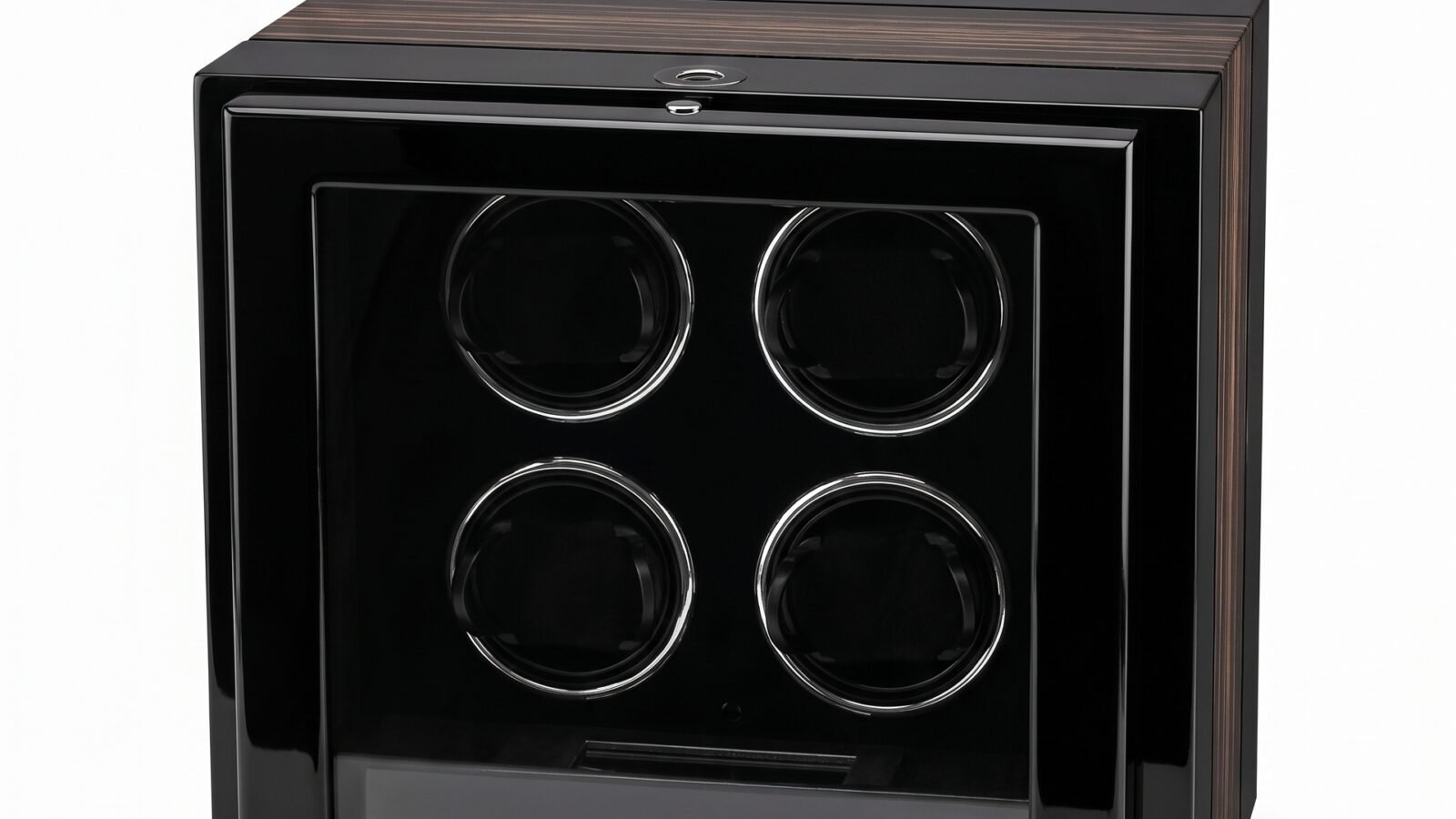
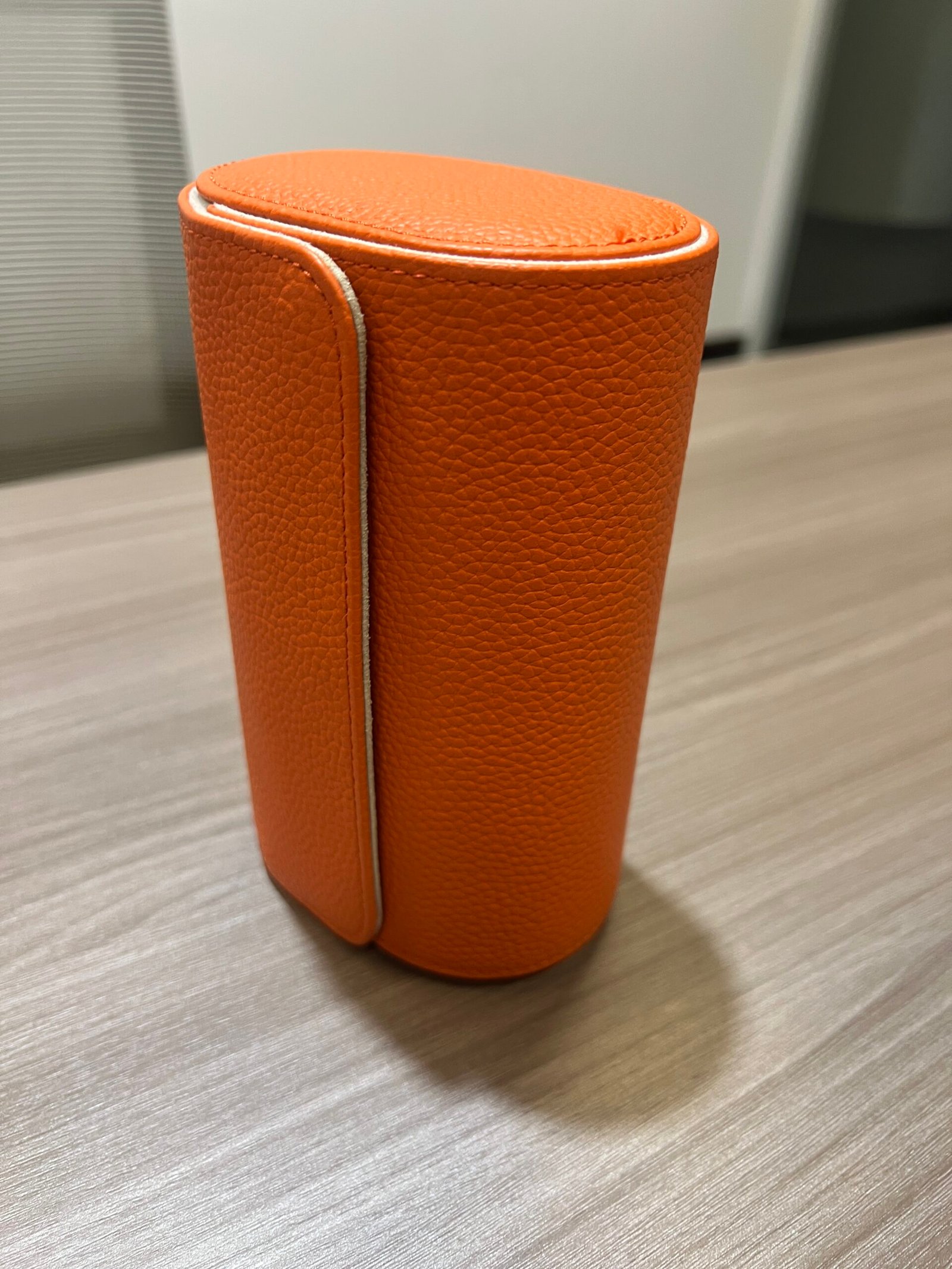
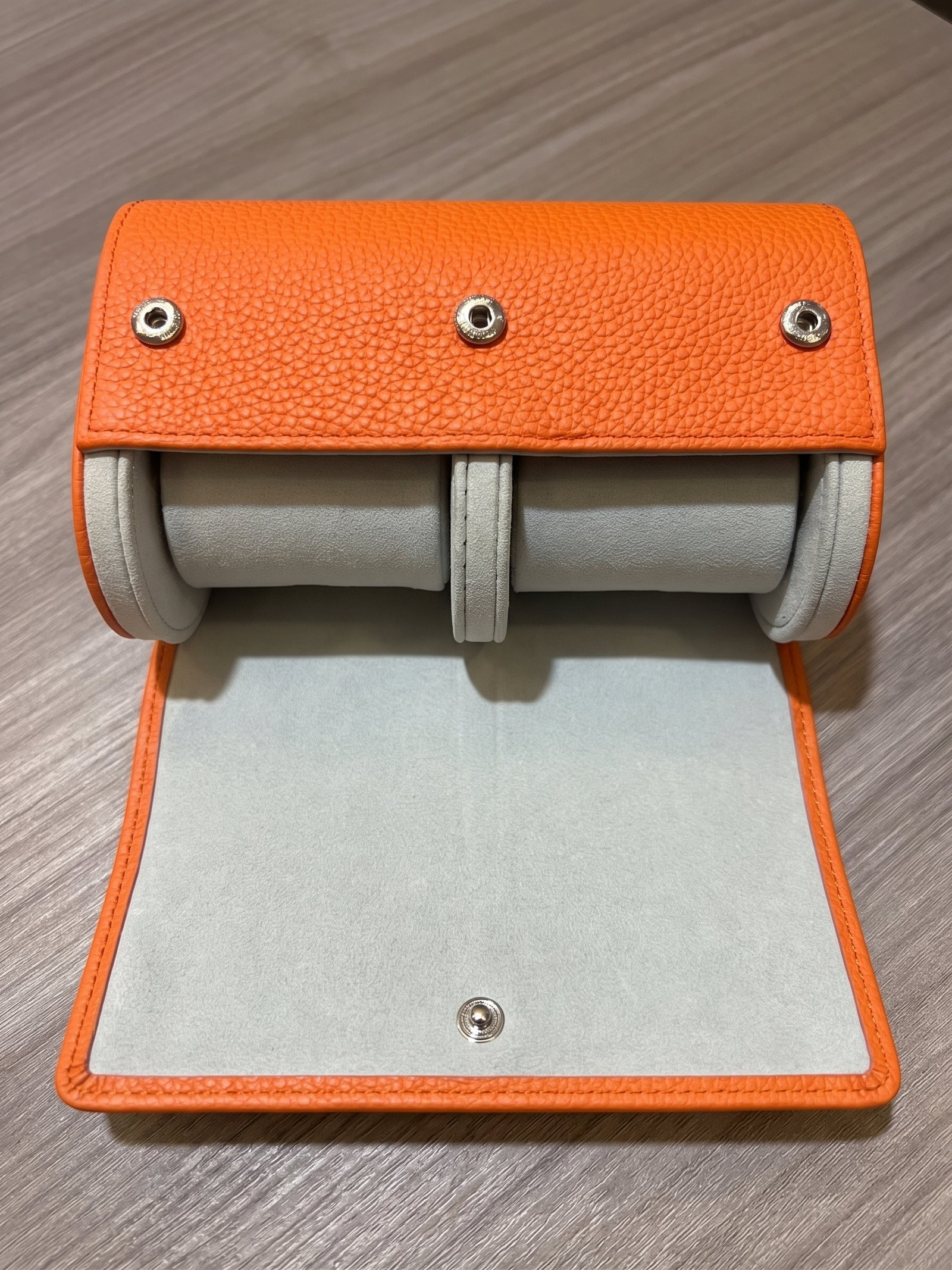
Start by describing each product on its own terms. The watch winders range can be assessed for display format, watch capacity, visible controls, finish direction, and the configuration to be approved for an individual model. The watch rolls and travel cases range should be assessed for capacity, interior contact points, closure, exterior handling, and the travel context shown in photography.
This separation matters because a cross-sell should be understandable even when a customer buys only one item. If the winder page relies on a roll to explain its value, or the roll page suggests that it performs a winder’s function, the assortment story has become less clear. Independent product descriptions make later pairing more credible.
Choose a Selling Format With a Channel-Specific Test
The useful question is not simply, “Can these products be photographed together?” It is, “What exactly is the customer able to purchase, and how will the order be fulfilled?” The table below separates three common retail formats without assuming that any specific bundle is already approved.
| Selling format | What the customer sees | What the retailer must confirm | Suitable starting point |
|---|---|---|---|
| Separate listings | A winder and a roll with independent descriptions and prices | Each item’s specification, images, stock, and packaging | The products appeal to different buyers or are not yet approved as a pair |
| Recommended pairing | Two separate items shown as complementary suggestions | Clear links, availability of both items, and language that does not promise a fixed set | Buyers often browse both home and travel accessories |
| Fixed bundle | One offer containing both identified items | Exact components, bundle SKU, combined packaging, price, stock handling, and returns process | The pair and its commercial terms have been approved |
For a new assortment, separate listings are often the easiest baseline to evaluate. A recommended pairing can then be tested as navigation and merchandising, without forcing a new package or making a promise about joint inventory. A fixed bundle requires a stronger operational decision. It should not be created merely because the product photographs share a color palette.
Keep Product Pages Distinct Even When Items Appear Together
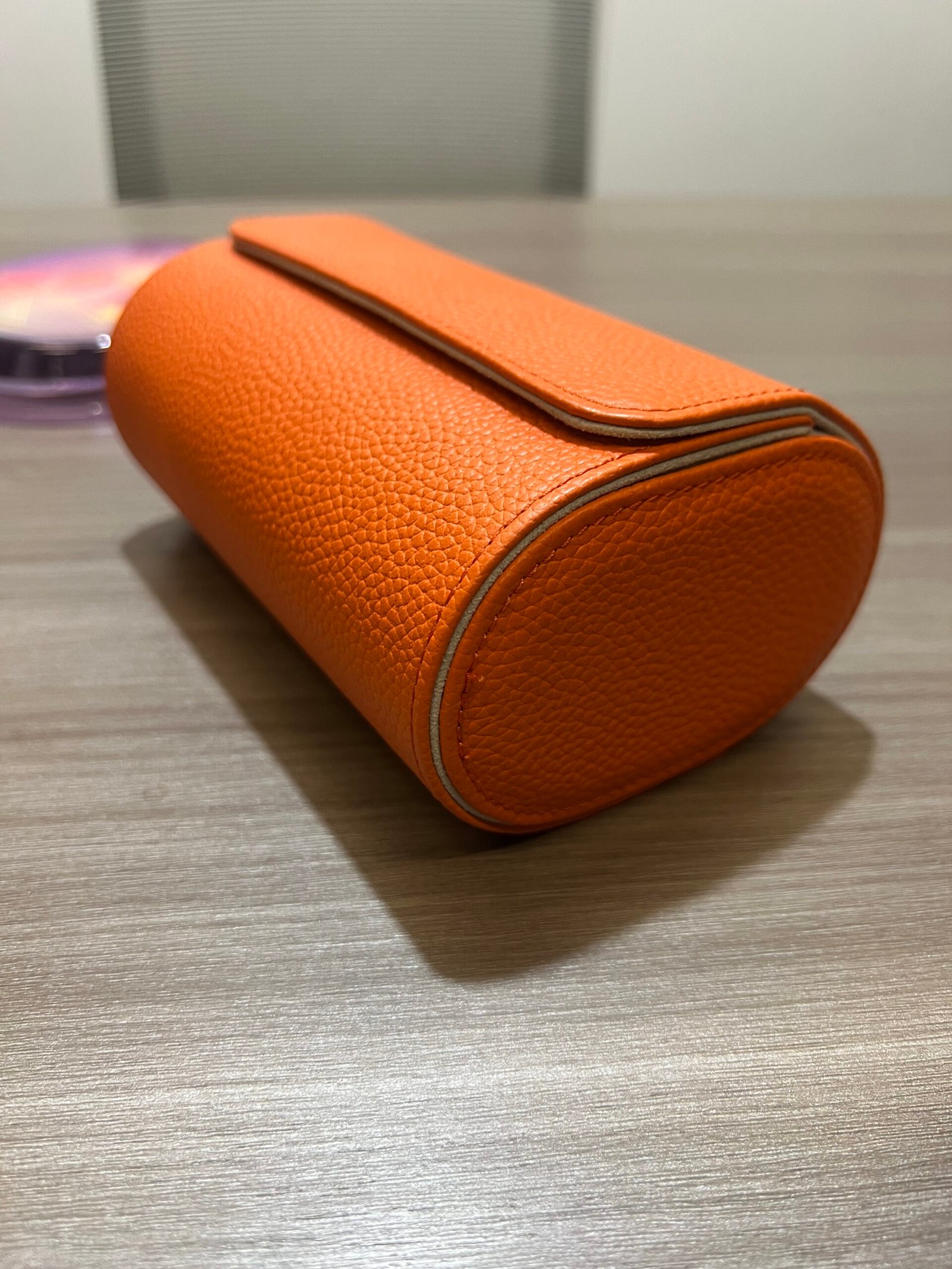
Each product page should answer its own buyer questions before pointing to the other item. A winder page should show the cabinet, watch positions, interior, and controls that are actually present on the photographed model. Technical settings, power arrangements, and watch-fit claims belong in the specification only after they have been confirmed for that model. A roll page should show the closed form, open interior, cushions or dividers, and how it closes.
Cross-links can then explain the relationship without overstating it. “Explore a travel case for the watch you take away from home” is different from “This case is included.” The first is a merchandising suggestion; the second is a commercial promise. If the offer is a fixed bundle, identify the exact included products and keep the same details across the winder page, roll page, cart, and packing instructions.
Make Visual Evidence Match the Offer
Photography can make a pairing easy to understand, but it can also accidentally imply a bundle that does not exist. For separate listings, lead with individual product images. A secondary editorial image may show the products near each other if both are the actual models being discussed. Avoid using a composite to suggest identical materials, shared branding, or included packaging that has not been approved.
For a fixed bundle, photography needs one more layer: the exact two items and the actual bundle packaging. The caption and alt text should describe what is visible. They should not invent a matching finish or claim that the items are sold together solely from a photograph. This is particularly important when images are reused in wholesale PDFs, social posts, and product pages.
Check the Commercial Logic Before Creating a Bundle SKU
An attractive pairing is not automatically an efficient retail offer. Before turning it into a fixed SKU, define how the two products will be stocked, picked, packed, priced, and handled if one component changes. A retailer should also know whether the pair is always sold together or whether the customer can purchase either item separately.
If the products come from different ranges, check whether their finishes and interiors are genuinely compatible in person. Product photographs can help narrow the choice, but a sample review is where the buyer can compare color, surface, logo placement, and packaging as a group. Olymbros supports OEM, ODM, and private-label development; those capabilities can be used to discuss a coordinated range, but the result depends on the approved brief for the selected items.
Prepare a Retail-Ready Content and Sampling Brief
A short brief helps the retailer, manufacturer, and content team work from the same version of the offer. The table below lists evidence to collect before a proposed pairing becomes a published bundle. It can also reveal that separate listings are the clearer choice for now.
| Decision area | Evidence to collect | Publishing consequence |
|---|---|---|
| Product identity | Confirmed model names or SKUs for both items | Name the exact components; avoid a generic set claim |
| Visual match | Actual samples and photos of exterior, interior, and branding | Show a genuine pairing only if the selected products match the offer |
| Specifications | Approved capacity, materials, dimensions, winder settings, and roll construction | Publish only model-specific facts that have been verified |
| Packaging | Separate or combined pack-out and approved presentation | Photograph and describe the packaging actually supplied |
| Sales format | Separate items, recommendation, or fixed bundle | Match product links, cart structure, and buyer-facing wording |
This is not a request to fill every field with an estimate. If an item is unknown, mark it for confirmation in the buying brief and omit the claim from public copy. For a private-label project, sampling can be used to inspect the pair as a retail proposition rather than approving each product in isolation.
Use Private Label Development Without Overstating the Offer
A coordinated accessory range may share a finish direction, interior material, logo treatment, or packaging concept. It does not need to consist of identical objects. The winder and roll serve different moments in the customer’s routine, so the design brief should define what should feel consistent and what should remain product-specific.
Olymbros offers OEM/ODM customization for brands and retailers. A buyer can use that process to review material options, branding placement, and packaging direction for the chosen models. The brief should also identify which technical settings belong to the winder and which interior or closure details belong to the roll. Keeping those decisions distinct makes the final retail content easier to verify.
Conclusion: Make the Offer Verifiable
The strongest watch winder and watch roll retail assortment is not necessarily a fixed bundle. It is the presentation that matches how the products are stocked, described, photographed, and purchased. Begin with accurate individual pages, then decide whether a cross-sell or a defined set genuinely helps the buyer.
If you are planning an accessory range, contact us with the models you are considering, the sales channel, and any confirmed packaging requirements. Which format would make the offer clearest to your customers: separate products, a recommended pairing, or an approved bundle?