
Custom Watch Winder and Watch Stand Sets for Private Label Retail Display
Why Combine a Watch Winder with a Watch Stand?
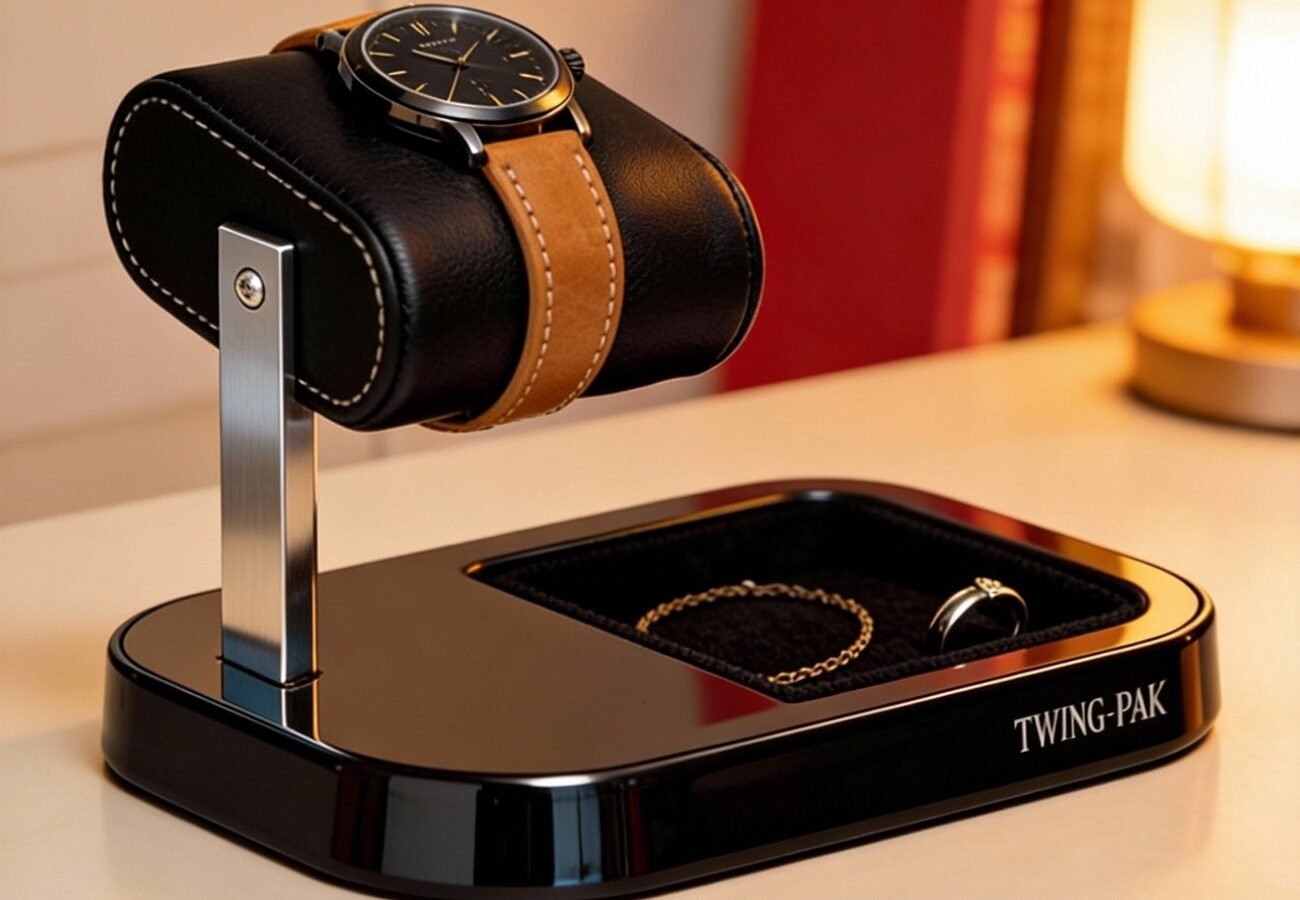
A custom watch winder and watch stand set gives a brand two different ways to present a mechanical watch within one coordinated accessory collection. The winder provides enclosed or structured storage while supporting a selected rotation program. The stand keeps a watch visible and accessible at a desk, bedside table, boutique counter, or fitting area.
For a private label buyer, the stronger opportunity is to design the products as a related system. Shared finishes, lining colors, hardware tones, proportions, and packaging can make the collection feel intentional while each item retains a distinct role.
This combination can suit watch brands, retailers, distributors, corporate gift programs, and accessory labels that want to build a broader watch-care assortment without treating every item as an isolated SKU.
Define the Role of Each Product Before Styling the Set
The product brief should begin with use cases. A watch winder may be intended for home storage, a boutique consultation table, or a premium gift package. A watch stand may serve as an open display, a temporary resting place, or an add-on product near the checkout area. These roles affect size, visibility, surface durability, packaging, and presentation.
Buyers should decide whether the two items will be bundled, sold separately within one visual family, or used in different parts of a retail program. Separate products need enough consistency to be recognized as one collection while making sense on their own.
Reviewing available [watch winders](https://olymbroswatchwinders.com/product-category/watch-winders/) and [watch stands](https://olymbroswatchwinders.com/product-category/watch-stands/) side by side can help a sourcing team identify which forms and functions belong together before customization begins.
Build a Coherent Material and Color System
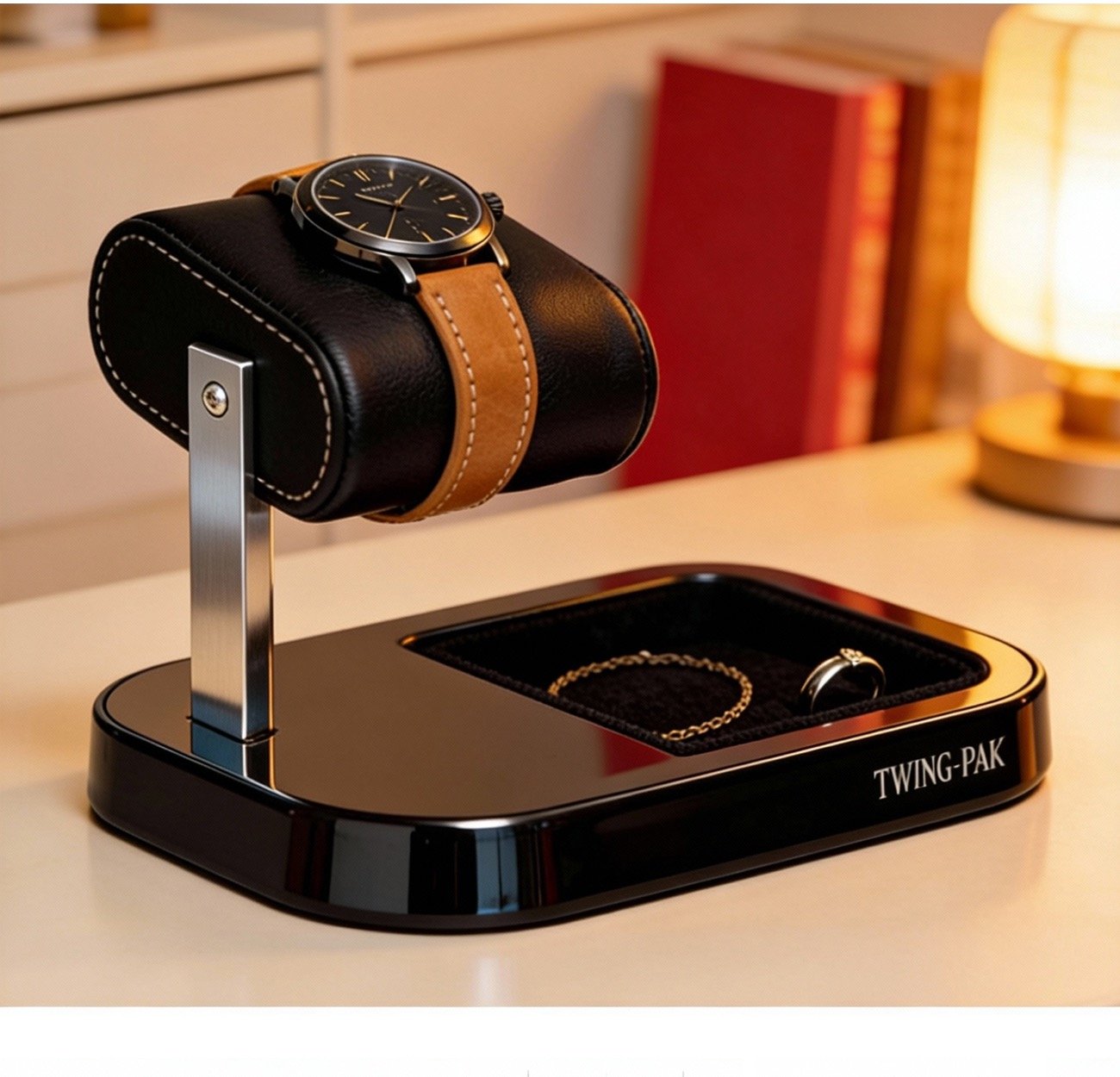
Visual coordination does not require the watch winder and stand to be identical. It requires a controlled design language. A piano lacquer winder might be paired with a stand that repeats the same color through a smaller finished surface. A leather or PU leather exterior can be echoed through the stand base, watch support, or trim. Matte wood veneer, aluminum, and carbon-fiber-pattern finishes can also provide recognizable collection cues.
Interior materials matter as well. Velvet, suede, and microfiber can influence how the set feels when a customer handles it. A sourcing brief should identify which surfaces touch the watch, which surfaces are primarily decorative, and where color matching is important. This prevents the team from approving an attractive exterior while overlooking an interior that feels unrelated.
Hardware color and logo placement should be documented early. A mismatch in metal tone, stitching, edge treatment, or branding becomes noticeable when coordinated products are displayed together. Assess physical samples under the same lighting rather than approving each product from separate photographs.
Match Winder Functions to the Intended Customer
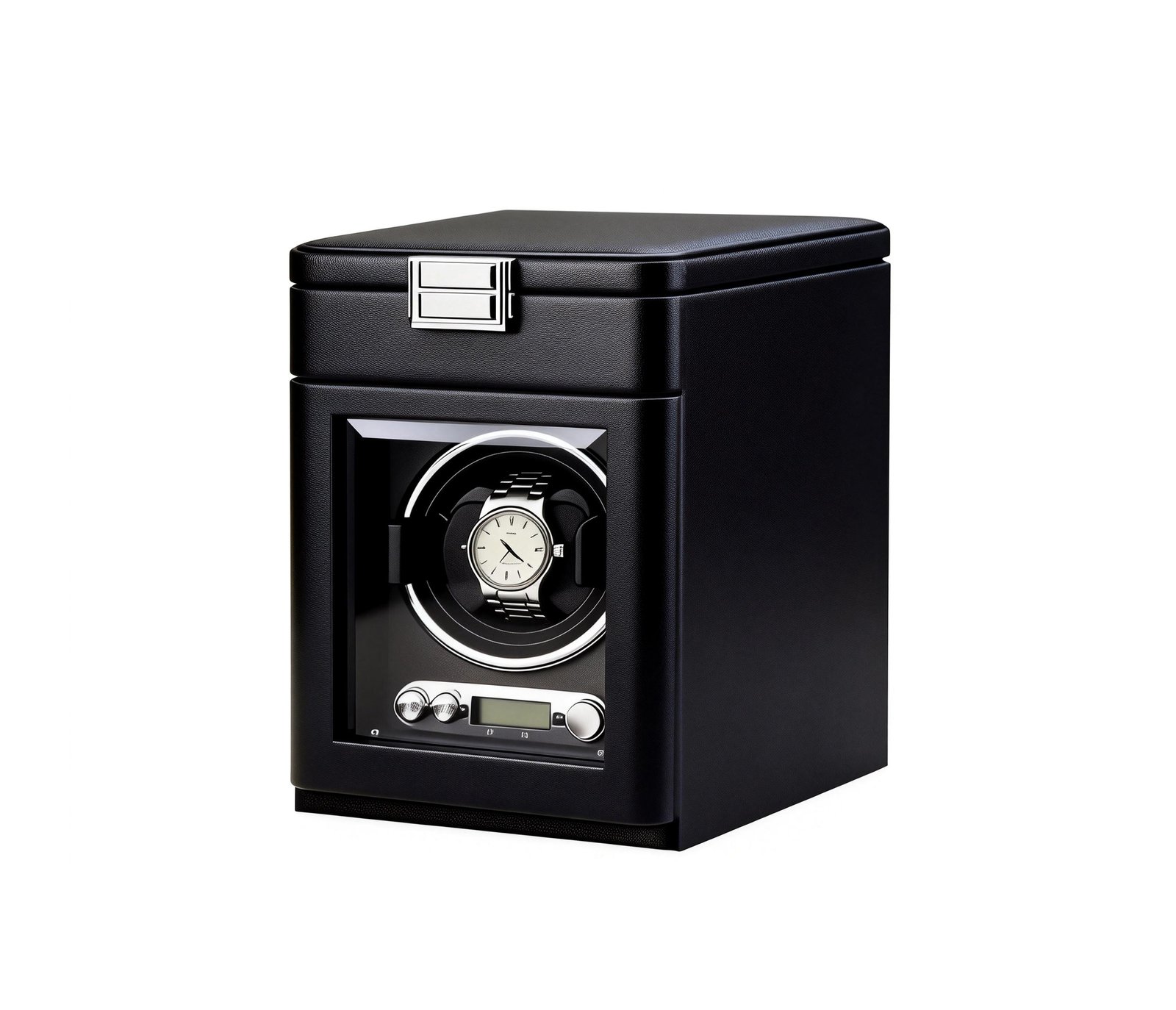
The watch winder adds technical decisions that the watch stand does not. Direction options may include clockwise, counterclockwise, or bidirectional rotation. Turns-per-day settings and timed rest periods can also be adjusted. The appropriate configuration should follow the intended market and the types of watches the buyer expects customers to use.
These controls should be considered alongside the retail experience. If the product will be demonstrated in a store, staff need a straightforward way to explain and operate it. If it will be included in a private label gift program, the instruction material and control labels should align with the brand presentation. Electronic components can be specified to comply with CE, RoHS, and UL standards, depending on the requirements of the target program.
The stand should then complement, rather than imitate, the winder. Its job may be to keep the dial visible, provide a convenient resting position, or create an open display point beside the enclosed product. The combined brief should explain how a customer moves between those two uses.
Plan the Retail Display as a Product System
A coordinated set can support several merchandising arrangements. In a boutique, a watch stand can hold a featured model while a watch winder demonstrates a storage accessory nearby. In an accessory section, the stand can introduce an accessible entry product and the winder can represent a more involved storage solution. Online, the two products can be photographed together to communicate the breadth of the collection.
Buyers should test the display at realistic viewing distances. Logos may become too subtle on a retail shelf, a tall stand may block a compact winder, and reflective finishes may behave differently under store lighting.
A display mock-up can answer practical questions: Which item should sit in front? Are controls and openings accessible? Does the set remain coordinated with different watch styles? These checks connect product design with the sales environment.
Decide How the Set Will Be Packaged and Sold
Packaging should follow the commercial model. If the products are sold as one set, the outer box and internal support need to protect two different shapes while keeping the unboxing sequence clear. If they are sold separately, coordinated colors, typography, labels, and inserts can still connect them at retail.
The sourcing team should also identify where customization appears. Options may include exterior finishes, interior colors, logo applications, control labels, instruction materials, and packaging. The final choices should be recorded in one specification rather than divided across informal messages, especially when the winder and stand share visual details.
Box dimensions, inserts, materials, and shipping configuration should be reviewed with actual samples. Check whether surfaces touch, components can move, and the products are easy to remove without damage.
Use Sampling to Check the Collection, Not Just Each SKU
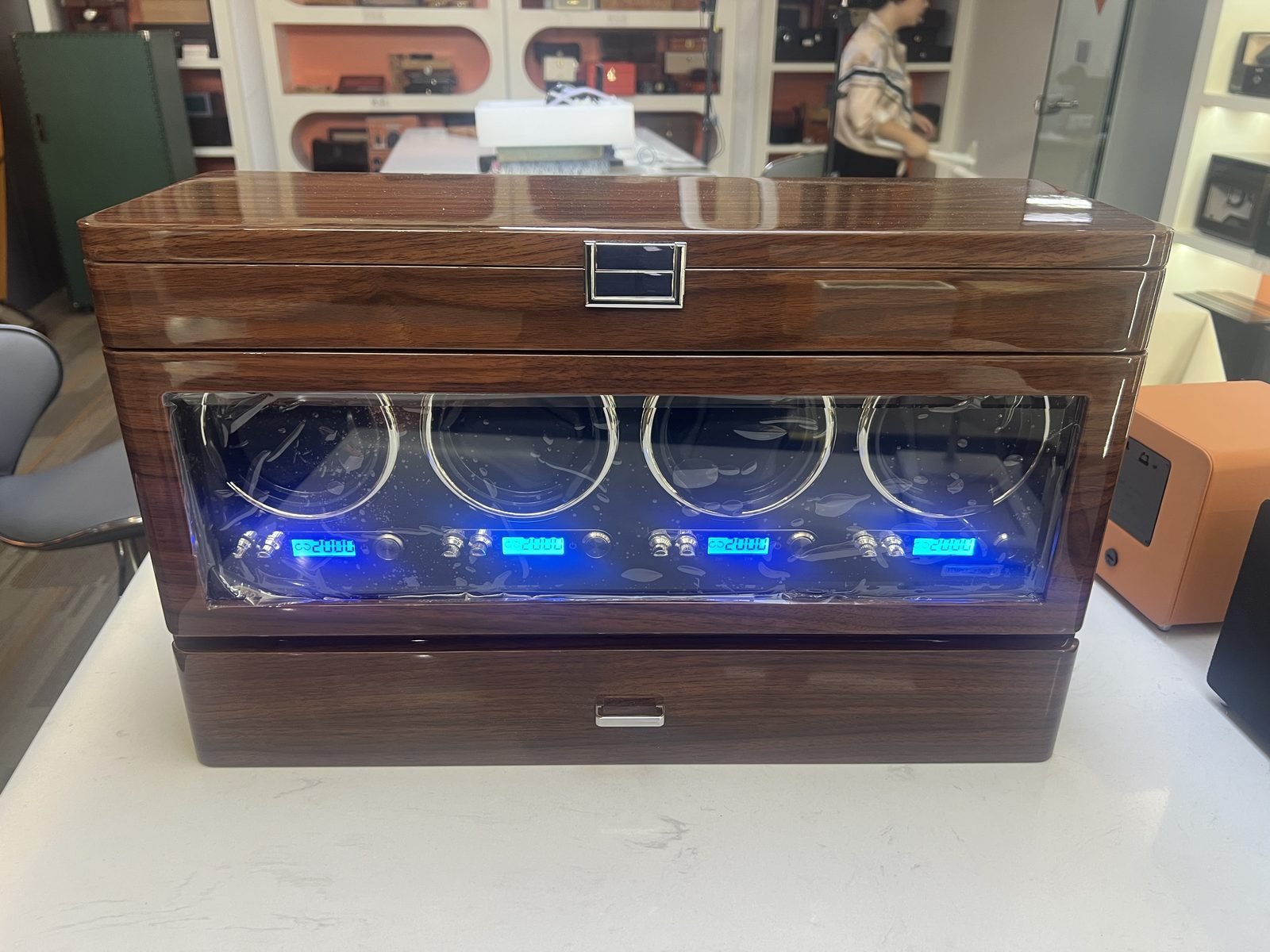
Sampling is where a coordinated concept becomes a physical system. Olymbros offers OEM, ODM, and private label development, with a stated sampling period of 7–14 days. Its integrated production covers woodworking, lacquering, motor assembly, and interior work, which allows related product details to be reviewed within one manufacturing process.
During sample evaluation, buyers should place the winder and stand together and check:
– finish and color consistency under the same light; – lining, stitching, edge, and hardware coordination; – logo scale and placement across products; – watch fit and support on both items; – winder direction, TPD, and rest settings; – packaging fit and the intended unboxing order; – the appearance of the set in product and retail photographs.
It is useful to record comments by product and by collection. A stand may pass its individual review while still feeling visually disconnected from the winder. Collection-level comments help the development team understand that the relationship between products is part of the requirement.
The [OEM/ODM customization](https://olymbroswatchwinders.com/oem-odm-customization/) process should therefore begin with one shared brief that includes target customer, sales channel, product roles, finish references, branding locations, functional requirements, packaging direction, and approval responsibilities.
Prepare a Clear Buyer Checklist Before Requesting a Quote
A focused inquiry helps a manufacturer assess the project accurately. Before requesting a quotation or sample, prepare the following information:
– target market and intended sales channel; – whether the products are bundled or sold separately; – preferred winder capacity and control requirements; – preferred stand format and watch presentation angle; – exterior material, finish, and color direction; – lining and watch-contact material preferences; – logo method and placement references; – packaging concept and required inserts; – compliance needs for the destination market; – sample quantity, target order plan, and approval schedule.
MOQ, pricing, packaging structure, and final technical details should be confirmed for the specific design. They should not be assumed from a general product category or from another project.
Create One Collection with Two Clear Customer Uses
A custom watch winder and watch stand set works when the products are connected visually but remain useful for different moments. The winder supports programmed storage, while the stand offers immediate access and open presentation. Together, they can give a private label range more depth across home, gifting, and retail display settings.
The key sourcing decision is not whether the products can share a color. It is whether the design, function, packaging, and merchandising plan all support the same brand story. What role should each product play in your next watch accessory collection?